Type of Interaction
Introduction
The goal of this project was to create a digital humanities project using one of the many types of digital humanities fields we have learned in class so far. This final result for my midterm project took many hours (and more hours of manual labor from cleaning and uploading the dataset than I would like), and the final product is a social network of X-Men characters from issues 150-220. This project represents the network analysis field in digital humanities and shows a small preview of the power that network analysis can be used for.
Sources
The dataset for this project comes from a bigger dataset of X-Men data from every issue, and I’ve included a download of the smaller dataset I started with for this project.
I then used OpenRefine to clean this dataset in order to make it usable for a network analysis application. This included going through the dataset and making sure every character’s spelling was the same, and only including the columns that showed their interactions with other characters. If you’re interested in viewing everything I did to achieve my final dataset, I’ve included an OpenRefine archive file that you can look at and view the changes I made.
Process
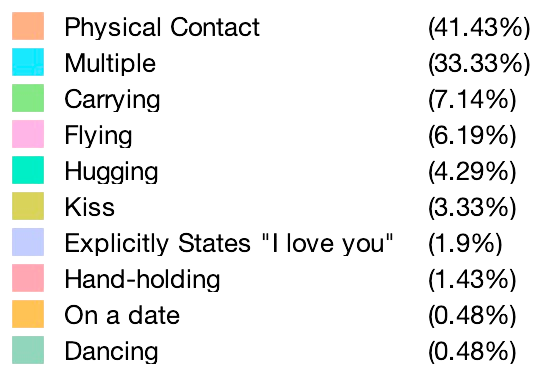
In order to make my network analysis graph, I decided to use a tool called Gephi. I really like Gephi because it has a relatively easy interface once you get adapted to it, and it offers the ability to download plugins, which can be very helpful for what you need to accomplish. To make the actual network, I first had to upload the data of the list of main X-Men characters in the first column to create my nodes for the network. Then, I uploaded the characters and the interactions they had (source and targets) to create my edge list. However, this is a big area where extra manual labor was introduced. There is very likely a much better way to do this, but I wanted to be able to classify my connections based on the type of interaction that it was. This led me to upload each source and target column individually to be able to classify them with a note column that said the type of interaction that it was. Due to the fact that I only included one interaction between two unique characters, but multiple if they were different types of interactions, it seemed very complicated to me to be able to set up my entire dataset with one source and target column, along with their note, without including duplicate interactions for each unique note. Nonetheless, I was able to achieve my desired result, and the final network color codes edges based on types of interactions, and includes the weight between two characters (for the purposes of viewing experience, the weight between characters is doubled, so a weight of 2 really means 1 total interaction).
Presentation
At first, I struggled with how to embed my final network analysis graph onto my WordPress website; however, eventually, I found a very simple solution for my problem. As I mentioned earlier, Gephi offers the ability to download plugins, and one of those plugins creates a very simple way to embed a graph. The plugin I used is called “Publish your network to the web” in case you want to download it yourself, and what it does is connect your GitHub account to be able to create a gist, which allows for your graph to exist on the web, and then Gephi allows you to use that link to embed your graph onto any website.
Significance
Obviously, this project shows the significance that network analysis holds, and how you could use it in many other and more meaningful datasets that could offer a new perspective to scientists and analysts on how entities (nodes) interact. However, this process also showed me the importance of tools that can be used for data cleaning. Using OpenRefine allowed me to get a much cleaner dataset that would’ve taken many hours of manual labor to achieve, and if I had figured out how to achieve my desired 3-column dataset (which I would imagine is very possible in OpenRefine or another application), it would’ve saved me many more hours of manual labor as well. I think this project does a good job of showing the true meaning of digital humanities, as it combines multiple aspects from different fields. Digital humanities encompasses many different fields, and in order to make a digital humanities project, one must tap into those many different fields in order to create the best product imaginable.